What AIDS 2026 Means for People Living with HIV in Lebanon
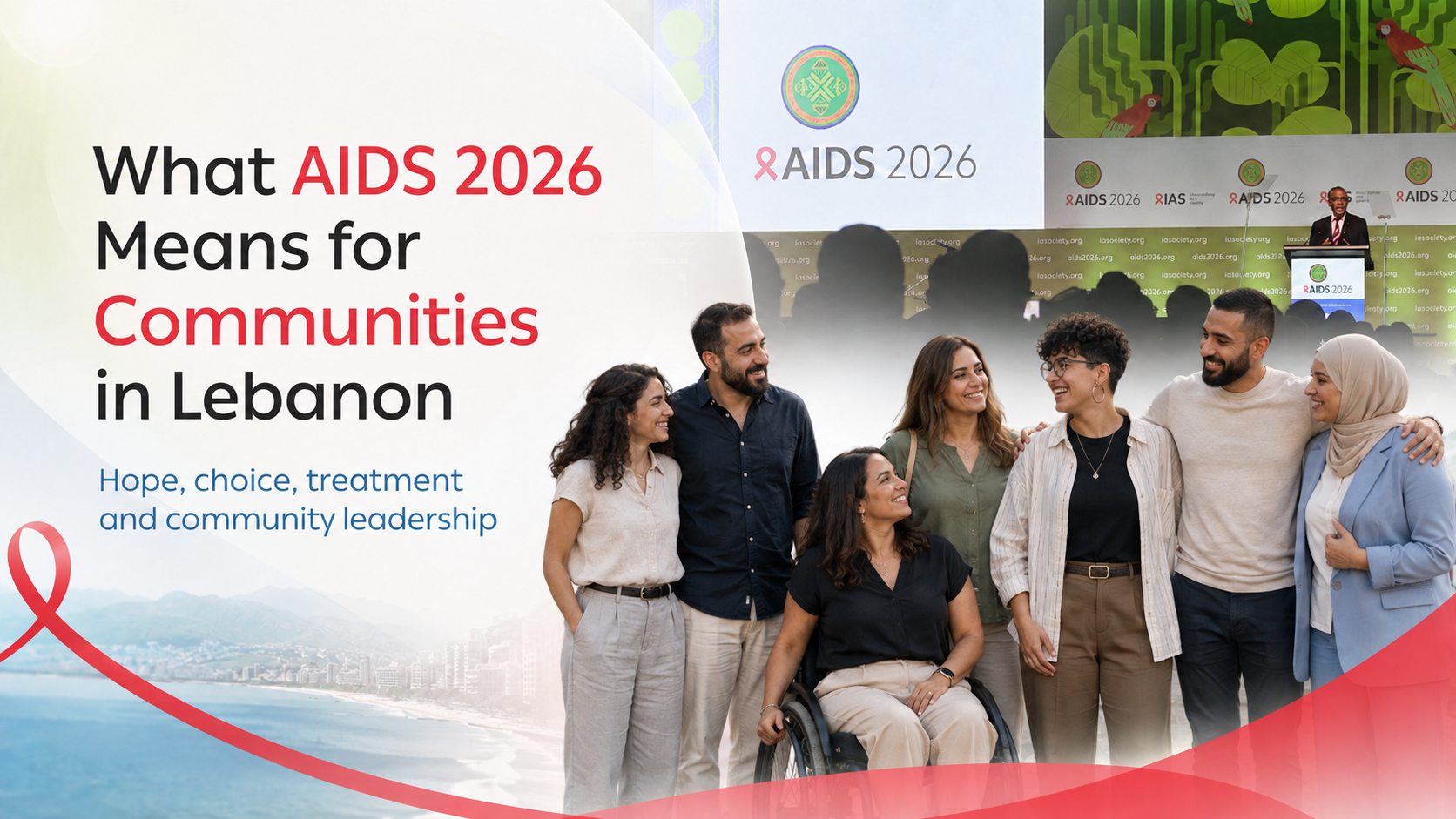
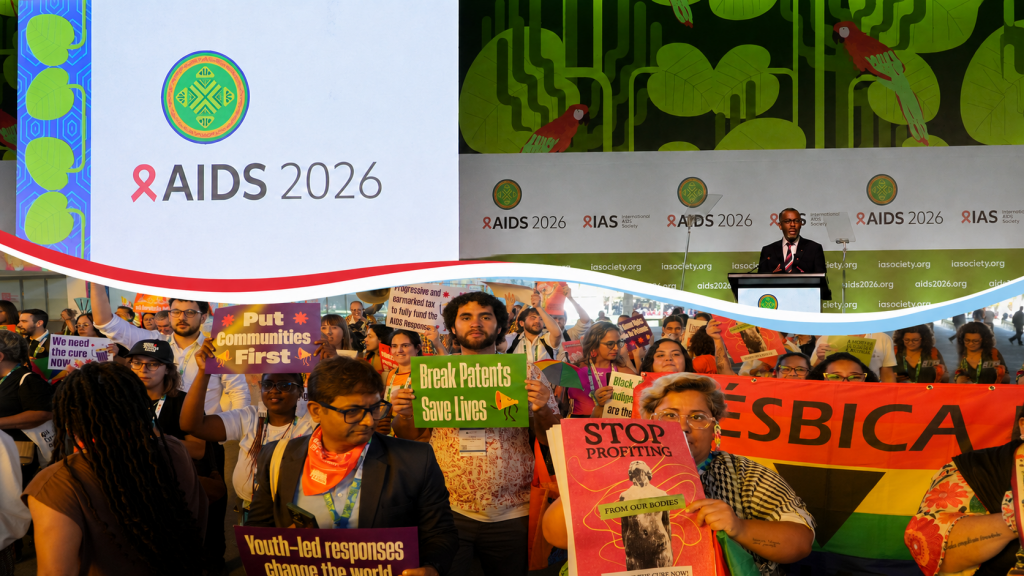
The AIDS 2026 Conference, held in Rio de Janeiro from 22–26 July 2026, brought together thousands of researchers, doctors, activists, and people living with HIV from all over the world.
There was a lot of hope in the air. We heard about real progress in HIV prevention and treatment. But there was also a clear reminder: none of this progress matters if people cannot actually access the medicines and services they need because of cost, availability, or inequality.
HIV treatment is getting simpler and more flexible
Today, someone living with HIV who takes their treatment regularly can live a long and healthy life.
And when treatment works well and the virus becomes undetectable in the blood, it cannot be passed on through sex. This is what we mean by:
U=U: Undetectable = Untransmittable.
This is not a slogan; it is a proven scientific fact, and it changes lives. It helps people live without fear, and it protects relationships, families, and futures.
One of the most talked-about updates at AIDS 2026 was a new weekly pill combining islatravir and lenacapavir. Instead of taking treatment every day, people may one day take just one pill a week.
In studies with more than 1,200 participants, this weekly option worked just as well as daily treatment for people whose HIV was already under control.
It is important to say clearly: this treatment is not yet approved or available in Lebanon. And no one should ever stop or change their current medication without speaking to their doctor.
At the same time, long-acting injections are also being developed and used in some countries. For many people, especially those who struggle with daily pills or worry about privacy and stigma, these options could make life much easier.
The direction is clear: HIV treatment is becoming more flexible, and people will have more choices in the future.
New ways to prevent HIV
Another major development was lenacapavir used for prevention. It is an injection that only needs to be taken twice a year.
The results were very strong, and most people in the studies chose to continue using it. Many said it made prevention easier, more private, and less stressful than taking a daily pill.
But this does not mean we should forget what already works. Oral PrEP, condoms, regular testing, PEP after exposure, and access to clear information are still essential tools.
New long-acting options should add to what we already have; not replace it.
One of the biggest concerns raised in Rio was access. Communities are asking a simple question: will these new medicines be affordable and available in countries like Lebanon and across the region?
Is there a cure for HIV?
There were reports of two more cases of long-term HIV remission after stem-cell transplants.
These stories are scientifically important, but they are not a cure that is available to most people. Stem-cell transplants are risky, complex, and only used for serious cancers.
Researchers are studying these rare cases carefully to understand how HIV might one day be controlled without lifelong treatment. Work is also continuing on vaccines, antibodies, and immune-based therapies.
For now, antiretroviral treatment remains the safest and most effective way to live well with HIV.
Communities must be at the centre
One of the strongest messages from the conference was simple: communities are not just service users, they are partners.
People living with HIV and affected communities should be involved in:
- Designing health services
- Deciding how funding is used
- Improving the quality of care
- Identifying real barriers to access
- Participating in research
- Shaping laws and policies
- Holding systems accountable
Community-led work often reaches people who are left out of traditional healthcare. It can provide testing, counselling, treatment support, and information in ways that are safe, respectful, and confidential.
Evidence shared at the conference showed that when communities lead, services improve, stigma goes down, waiting times get shorter, and medicine shortages are identified earlier.
Stigma and criminalization still cause harm
Even with medical progress, fear and discrimination remain major barriers.
Many people still avoid testing or treatment because they are afraid of being judged, rejected, or exposed. Some fear losing their job, their family support, or their privacy. Others, especially LGBTIQ+ people, migrants, refugees, sex workers, and people who use drugs, face even more legal and social barriers.
AIDS 2026 made it very clear: stigma and criminalization are not just social issues, they are public health issues. They directly affect whether people can access care.
Protecting confidentiality, fighting misinformation, offering mental health and legal support, and ending discriminatory laws are all part of the HIV response.
Everyone living with HIV deserves dignity, privacy, and equal access to healthcare, no exceptions.
Funding cuts are putting services at risk
While science is moving forward, many HIV services are under pressure.
Reports at the conference showed that over 1,700 clinics and service points have closed due to funding changes. Community organisations and services for key populations were often the first to be affected.
When services are interrupted, whether testing, treatment, PrEP, or outreach, the consequences are serious: more infections, later diagnoses, and preventable deaths.
In Lebanon, where people are already facing economic hardship and instability, protecting HIV services is more important than ever.
What this means for people in Lebanon
If we bring everything together, the key messages are simple:
- HIV is treatable.
- People on treatment can live long, healthy lives.
- An undetectable viral load means HIV cannot be transmitted sexually.
- Treatment should never be stopped.
- PrEP is highly effective for prevention.
- PEP can prevent HIV if taken within 72 hours after exposure.
- Testing and care should always be confidential and non-judgmental.
- New treatments are promising, but not all are available yet in Lebanon.
- Always rely on healthcare professionals and trusted community organisations; not rumours or social media.
Moving forward
AIDS 2026 gave us real reasons to be hopeful. HIV prevention and treatment are becoming easier, more effective, and more flexible.
But medicine alone is not enough.
Ending AIDS also requires fair access, stable funding, strong health systems, protection from discrimination, and real community leadership.
For Lebanon, the priority now is to protect what already exists while preparing for what is coming next. That means cooperation between the Ministry of Public Health, the National AIDS Program, healthcare providers, and community organisations, so that no one is left behind.
People living with HIV are not just patients. They are part of the response. They are leaders, advocates, and experts in their own lives.
And the message from Rio is simple and powerful: the future of the HIV response must be built with communities, not just for them.